





BLOGSDETAILS
What Is an Industrial Baghouse Dust Collector System
Author:shangcheng Time:2026-05-12 15:06:00 Click:105
What Is an Industrial Baghouse Dust Collector System
An Industrial Baghouse Dust Collector is a high-efficiency air filtration system designed to capture airborne particulate matter generated during industrial manufacturing processes. These systems are widely used in cement plants, mining facilities, metal processing workshops, power stations, and chemical manufacturing operations where dust control is essential for environmental compliance and workplace safety.
Introduction to Industrial Baghouse Dust Collector Systems
The primary function of an Industrial Baghouse Dust Collector is to separate dust particles from contaminated air streams using fabric filtration technology. Dust-laden air enters the collector housing, where suspended particles are captured on the outer surface of filter bags while clean air passes through the filtration media and exits the system.
Compared with cyclone separators or wet scrubbers, baghouse systems provide significantly higher filtration efficiency for fine particulate control.

Main Components of a Baghouse Dust Collector
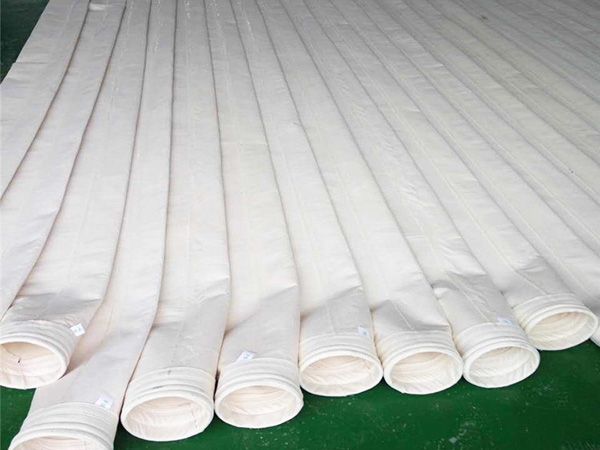
A standard baghouse system consists of:
Filter bags
Filter cages
Dust hopper
Pulse jet cleaning system
Air inlet and outlet chambers
Rotary airlock valve
Each component contributes to maintaining airflow stability and filtration performance. The filter cage supports the bag structure during operation, while the hopper stores collected dust for controlled discharge.
How Filtration Mechanisms Work
The filtration process relies on both surface filtration and dust cake formation. As particles accumulate on the filter surface, a secondary filtration layer develops, increasing collection efficiency for fine particles.
Engineering studies show that stable dust cake formation improves particulate capture efficiency while maintaining acceptable pressure drop levels. However, excessive dust accumulation may reduce airflow and increase system energy consumption.
Pulse Jet Cleaning Technology Explained
Most modern Industrial Baghouse Dust Collector systems use pulse jet cleaning technology. Compressed air is periodically injected into the filter bags through pulse valves, creating a rapid pressure wave that dislodges accumulated dust from the bag surface.
Pulse jet systems allow continuous operation without shutting down airflow during cleaning cycles. This significantly improves productivity in continuous manufacturing environments.
Filter Bag Material Selection
Filter bag material selection depends on operating temperature, chemical exposure, humidity, and dust characteristics. Common materials include:
Polyester
Nomex
PTFE
Fiberglass
High-temperature systems frequently use PTFE or Nomex materials due to their thermal stability and chemical resistance.
Proper material selection directly affects filtration efficiency, service life, and maintenance frequency.
Dust Collection Efficiency Factors
Several engineering factors influence baghouse performance:
Air-to-cloth ratio
Filtration velocity
Particle size distribution
Humidity level
Pulse cleaning pressure
Optimizing these parameters helps maintain efficient airflow and stable pressure conditions throughout the system.
Industrial Applications and Compliance
An Industrial Baghouse Dust Collector is commonly installed in:
Cement plants
Steel mills
Foundries
Grain processing facilities
Pharmaceutical factories
Environmental regulations increasingly require manufacturers to reduce particulate emissions, making efficient dust collection systems essential for regulatory compliance.
Maintenance and Operational Reliability
Routine inspection of filter bags, pulse valves, and rotary valves is necessary to maintain stable operation. Common maintenance procedures include:
Differential pressure monitoring
Filter bag replacement
Air leakage inspection
Hopper dust removal
Preventive maintenance helps reduce downtime and extend equipment lifespan.
Conclusion
An Industrial Baghouse Dust Collector remains one of the most reliable industrial air filtration solutions for controlling airborne particulate emissions. With proper engineering design, filter media selection, and maintenance management, these systems deliver high-efficiency dust control for demanding industrial environments.
Industrial Baghouse Dust Collector systems continue to play a critical role in modern environmental protection and industrial air quality management.
References
Cooper, C.D., Alley, F.C., Air Pollution Control: A Design Approach
Theodore, L., Air Pollution Control Equipment Calculations
Journal of Hazardous Materials – Dust Filtration Studies
Environmental Engineering Science Journal
 HOT PRODUCT
 CONTACT US