





BLOGSDETAILS
Submerged Pulse Jet Valve Advantages in Dust Collection
Author:shangcheng Time:2026-08-27 11:31:01 Click:77
Most baghouse dust collectors use valves mounted above the tube sheet, where maintenance crews can reach them easily and the compressed-air plumbing stays dry. But there is a class of application where the dust, slurry, or process liquid makes above-floor mounting impractical or where the geometry of the collector demands a different approach. In these cases the submerged pulse jet valve is the answer. It is not a new concept, but its specific advantages are not always well understood by buyers who encounter it for the first time in a specification. This article explains the design, where it earns its place, and what to look for when sourcing one.
What Makes a Pulse Jet Valve Submerged?
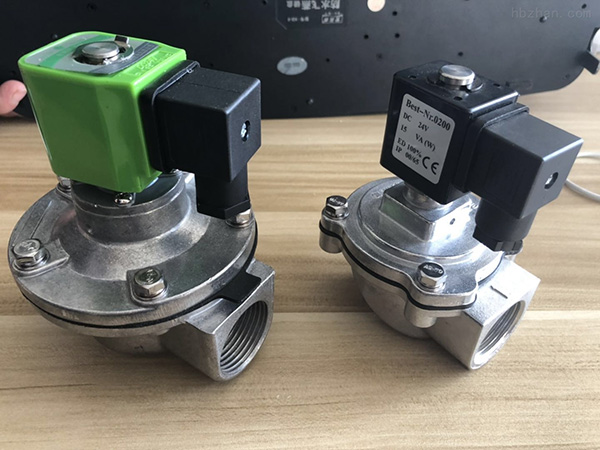
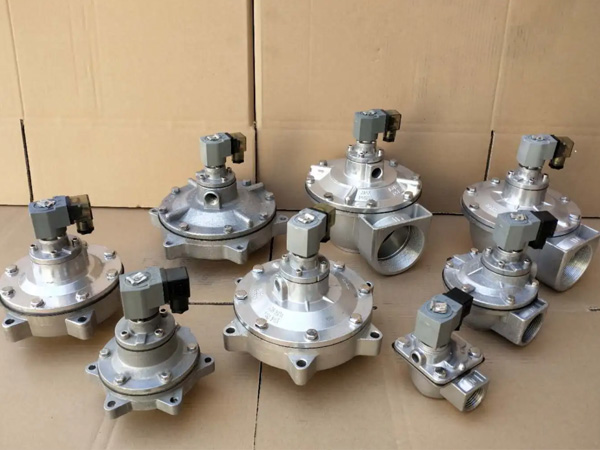
A conventional pulse jet valve sits in the clean-air plenum above the tube sheet, separated from the dust hopper. A submerged pulse jet valve is installed below the tube sheet, typically inside the hopper or in a chamber that is exposed to the same atmosphere as the filter bags. The valve body and its pilot port are immersed in or directly exposed to the process gas and any condensation or particulate that migrates from the hopper. This changes the sealing requirements, the materials of construction, and the maintenance access procedure fundamentally.
Key Advantages of the Submerged Configuration
The primary advantage is cleaning proximity. Because the valve fires directly into the bag from below, the pulse travel distance is shorter and the cleaning impulse reaches the lower section of the bag with less attenuation. In collectors with very long bags or with uneven dust distribution, this translates to more uniform cleaning and lower residual differential pressure. A second advantage is protection against condensation: when the valve body is at the same temperature as the gas stream, cold spots that cause moisture condensation on the valve are eliminated. A third advantage is installation flexibility in tight geometries where overhead plumbing is impractical.
Materials and Sealing Under Immersion Conditions
A submerged pulse jet valve used in slurry or wet-dust service must be built for immersion, not just splash resistance. The body material needs to tolerate prolonged contact with moisture and whatever acidity or alkalinity the process introduces. Stainless steel bodies with PTFE diaphragms are the common choice. Sealing at the pilot port and at all threaded joints must be double-sealed to prevent gas migration into the air supply line. Our factory specifies Viton or EPDM diaphragms depending on the chemistry, and we supply each valve with a material compatibility checklist filled in by the customer's process engineer before production begins.
Applications Where Submerged Valves Excel
The configuration earns its keep in three broad application families. The first is wet-process dust collection—foundry cooling, ceramic glazing, and food processing—where condensation inside the collector is routine and above-floor plumbing would corrode or ice. The second is slurry-adjacent collection, where the hopper is periodically flooded or hosed down and the valve must survive submersion. The third is high-temperature gas with a condensing acid dew point, where temperature gradients in the plenum cause localized corrosion that the submerged design avoids by equalizing the valve temperature with the process gas.
Maintenance Considerations for Submerged Installations
The trade-off for the configuration advantages is access. A submerged pulse jet valve requires isolation of the hopper, lockout and tagout of the compressed air supply, and often removal of a manway cover before the valve can be accessed. This makes preventive maintenance critical rather than optional. Schedule diaphragm and seal replacement at planned shutdown intervals rather than waiting for failure, because an unplanned change-out under these conditions is expensive. Keep a spare valve cartridge on site; the downtime difference between swapping a cartridge and draining the hopper to access a fixed valve is measured in hours.
How It Compares to a Right Angle Pulse Valve
The submerged pulse jet valve differs from a right angle pulse valve primarily in flow path and mounting orientation. A right angle valve routes the air through a 90-degree turn; a submerged valve typically uses a straight-through flow path that reduces turbulence and pressure loss. In above-floor installations, the right angle configuration is favored for compact plenum design. In below-floor or hopper-adjacent mounting, the submerged configuration eliminates the need for complex piping runs and keeps the cleaning air path as direct as possible.
Sourcing and Specification Tips
When evaluating a submerged pulse jet valve supplier, ask for the body and diaphragm material certifications, the maximum allowable submerged pressure differential, and the IP rating or equivalent immersion test standard. Confirm that the supplier has experience with your specific process chemistry, not just with valve construction in general. A supplier that will not share material compatibility data before quoting is one to approach with caution.
Frequently Asked Questions
Can a submerged pulse jet valve be used in a standard above-floor collector?
Technically yes, but it is over-specified and more expensive. Submerged valves are designed for their specific mounting orientation and conditions; use the appropriate configuration for each installation.
What materials are standard for submerged service?
Stainless steel body, PTFE or Viton diaphragm, and double-sealed pilot ports are the typical specification. Confirm material compatibility with your process chemist before ordering.
How does submerged mounting affect pulse pressure?
The shorter, more direct flow path typically results in slightly less pressure loss compared to a conventional valve with long piping runs, which can improve cleaning efficiency at the bag bottom.
What is the main risk with submerged valves?
Seal degradation over time in wet or acidic service. Regular planned replacement of diaphragms and seals prevents unexpected failures and hopper contamination.
Conclusion
The submerged pulse jet valve is the right choice for wet, slurry-adjacent, and condensing high-temperature applications where the valve must share the process environment with the bags. Its advantages in cleaning uniformity, condensation resistance, and installation geometry come with legitimate maintenance access requirements that must be planned for. Work with a supplier who understands your process chemistry and provides documented material compatibility before you commit to the specification.
References
Huang, N., et al. (2014). Effect of venturi on pulse-jet cleaning performance. Journal of the Air & Waste Management Association, 64(6), 705–713.
Simon, X., et al. (2008). Pulse-jet cleaning of filter bags: effect of operating parameters. Powder Technology, 186(3), 256–264.
Saleem, M., et al. (2013). Numerical study of pulse-jet cleaning of fabric filters. Chemical Engineering Research and Design, 91(11), 2181–2192.
Elele, E., et al. (2011). Investigation of pulse-jet cleaning of filter media. Chemical Engineering Science, 66(6), 1126–1138.
 HOT PRODUCT
 CONTACT US