





BLOGSDETAILS
Stainless Steel Filter Cage vs Galvanized: Which to Choose
Author:shangcheng Time:2026-10-23 09:48:36 Click:168
One of the first questions a plant asks when replacing cages is whether to pay more for a stainless steel filter cage or stick with galvanized. The answer is never a universal one. The two products are manufactured differently, behave differently in moisture and heat, and carry very different price tags. This article compares them on the factors that actually decide service life—corrosion, temperature, chemistry, and total cost—so you can specify with confidence instead of guessing.
How the Two Cages Are Manufactured
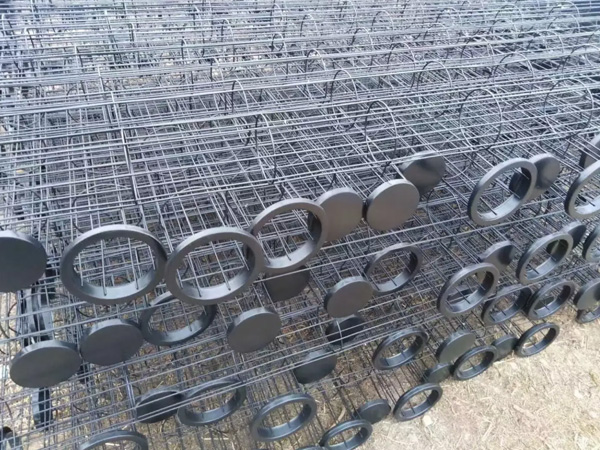
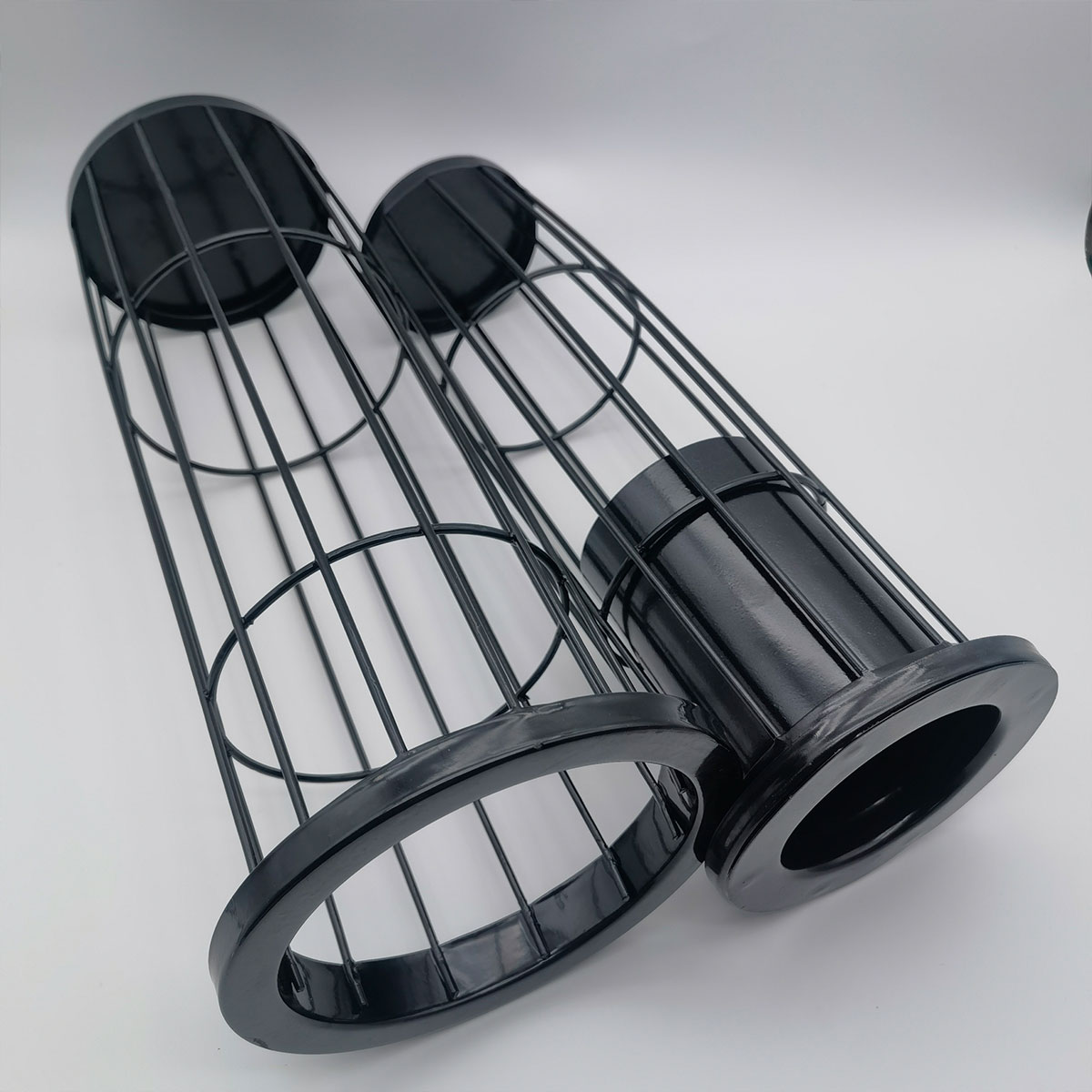
A galvanized cage starts as carbon steel wire that is shaped, welded, and then coated with zinc, usually by hot-dip galvanizing. The zinc layer corrodes sacrificially to protect the steel beneath. A stainless steel filter cage is made from alloyed wire—commonly 304 or 316 grades—where chromium in the alloy forms a self-healing oxide film that resists corrosion without any coating. The manufacturing difference explains most of the performance difference that follows.
Corrosion Resistance in Real Process Conditions
In dry, ambient service, both cages last well. The picture changes as soon as moisture appears. Condensation inside a baghouse, humid process gas, or wash-down routines create conditions where zinc coating can erode and expose carbon steel to rust. Stainless resists this far better, and 316 adds molybdenum for superior resistance to chlorides and acids. If your process dew point is routinely crossed, corrosion is a service-life question, not a cosmetic one.
Temperature and Chemical Compatibility
Temperature limits differ sharply. Zinc melts around 419°C and its protective behavior degrades well below that, so galvanized cages are normally restricted to moderate temperatures and dry atmospheres. Stainless grades hold their strength and surface integrity at much higher temperatures. Chemically, galvanized cages are vulnerable where the gas is acidic, especially near the acid dew point, where condensation can be severely corrosive. Stainless is the dependable choice for acidic or high-temperature streams.
Service Life and Total Cost Comparison
Price is only half the calculation. A galvanized cage costs less per piece, but if rust forces replacement every two years while a stainless steel filter cage serves ten, the stainless unit is cheaper per year of service. The math must also include labor: every cage change happens inside a collector, with access, staging, and downtime costs attached. Work out cost per year of service, not cost per cage, before comparing the two.
When Galvanized Is the Right Choice
Galvanized cages remain the sensible default for dry, non-corrosive dust collection at moderate temperature—the majority of general manufacturing, woodworking, and grain applications. The zinc coating is robust against normal handling and provides years of protection in clean, dry air. For a plant with stable conditions and no moisture risk, galvanized delivers the lowest cost per year of service and is what most filter cage manufacturers will recommend without hesitation.
When Stainless Is Worth the Premium
Choose stainless when moisture is unavoidable, when the gas contains chlorides, sulfur compounds, or other corrosives, when temperatures push past the safe range for zinc, or when bags are changed so rarely that the cage must outlast several bag cycles. Stainless also pays off in food, pharmaceutical, and chemical plants where rust particles cannot be allowed into the product stream. In these duties, a stainless steel filter cage stops being a premium and becomes the lower-risk option.
Coated Alternatives Between the Two
Between plain galvanized and stainless sits a useful middle tier: carbon steel cages with baked epoxy or silicone coatings. These provide a continuous barrier against moisture and mild chemical attack at a cost well below stainless. The trade-off is that coatings can chip during handling, and a scratch exposes the steel underneath. Coated cages suit moderately corrosive duties where full stainless is over-specified, provided the coating is applied thick enough and inspected at goods-in.
Frequently Asked Questions
Does a stainless steel filter cage last twice as long?
In corrosive or wet service, often much longer than twice. In dry ambient duty, the gap narrows because galvanized also serves well there.
Can galvanized cages rust inside a dry baghouse?
Yes, if condensation occurs—during start-up, after wash-downs, or when cold outside air meets warm humid gas. Moisture is the trigger, not the season.
Is stainless required for high-temperature service?
Not always, but it is the safer choice. Above the practical limits for zinc-coated carbon steel, stainless maintains integrity where galvanized cannot.
How do I verify the grade of stainless used?
Ask for material certificates with each batch and, if in doubt, have a quick alloy check performed on a sample at goods-in. Reputable suppliers provide certificates without being asked.
Conclusion
The choice between a stainless steel filter cage and a galvanized one comes down to your process, not a preference. Map the moisture, temperature, and chemistry of the gas stream, then compare cost per year of service rather than unit price. For dry ambient duty, galvanized wins on economy; for wet, hot, or corrosive conditions, stainless protects your bags and your uptime.
References
Bardal, E. (2004). Corrosion and Protection. Springer.
Zhang, X. G. (1996). Corrosion and Electrochemistry of Zinc. Plenum Press.
Landolt, D. (2007). Corrosion and Surface Chemistry of Metals. EPFL Press.
Roberge, P. R. (2008). Corrosion Engineering: Principles and Practice. McGraw-Hill.
 HOT PRODUCT
 CONTACT US