





BLOGSDETAILS
Pulse Jet Filter Bags Performance Optimization Guide
Author:shangcheng Time:2026-07-31 12:21:32 Click:160
Getting the most from pulse jet filter bags is rarely about buying a premium media alone. Performance is an outcome of how the bag, the cage, the compressed-air system, and the Pulse Jet Solenoid Valve work together. After optimizing dozens of collector lines, we have found that the largest gains come from tuning the cleaning system and matching it to the dust—not from overspending on the bag. This guide walks through the levers that actually move the needle.
Understanding Pulse-Jet Cleaning Dynamics
A pulse-jet collector cleans from the inside out. The Pulse Jet Solenoid Valve opens for 50 to 150 milliseconds, releasing a compressed-air slug that travels down the cage and flexes the bag, dislodging the dust cake. The cleaning must be strong enough to clean but gentle enough not to accelerate fabric fatigue. Mis-tuned systems either under-clean, letting pressure creep up, or over-clean, causing bags to flex excessively and wear out ahead of schedule.
Selecting the Right Media for Pulse Jet Filter Bags
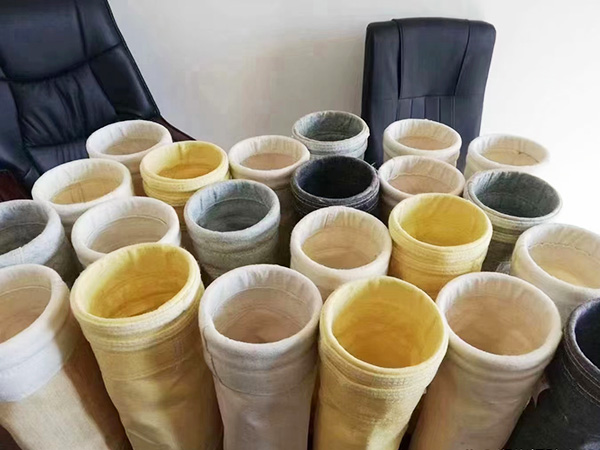
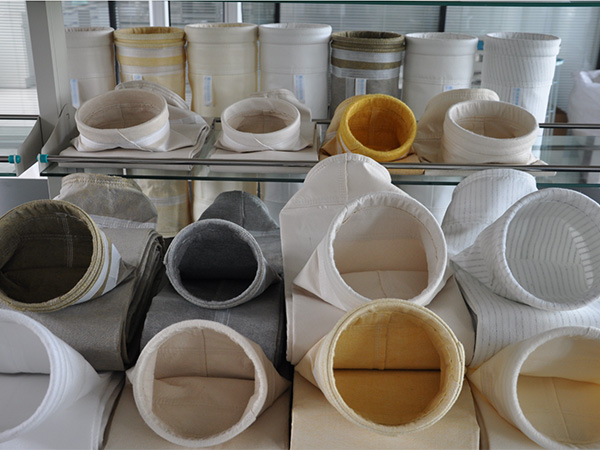
Media choice sets the ceiling on performance. Needlefelt polyester suits ambient, dry dust; polytetrafluoroethylene (PTFE) membrane media excels where fine, sticky, or high-value dust demands low residual pressure. Fiberglass handles high temperatures but needs careful handling. A knowledgeable filter bag supplier matches fiber, weight (typically 350 to 800 g/m²), and finish (singed, calendared, membrane) to your gas and dust profile rather than quoting a catalog default that may not fit your process.
Optimizing Pulse Jet Solenoid Valve Timing
The Pulse Jet Solenoid Valve timing is the single most adjustable parameter. On-demand cleaning—triggered by differential pressure—beats timed cleaning because it pulses only when needed. Typical on-demand setpoints sit around 1.2 to 1.8 kPa clean-to-dirty differential. Shortening pulse width wastes air; lengthening it beyond about 120 ms yields diminishing returns. We routinely cut air use 10 to 20 percent just by switching from timer-based to differential-pressure-based control on the same hardware.
Air Supply and Pressure Considerations
Cleaning energy scales with the square of pressure, but higher pressure is not always better. Operating at 5 to 6 bar usually cleans effectively while protecting media. Pushing to 7 bar or beyond increases flex stress and can embed dust deeper into the cake. Tank volume and pipe sizing must deliver a stable slug without pressure sag, or the last bags on the row clean poorly. Your filter cage manufacturer can advise on cage bore that pairs with your available air supply.
Cage and Bag Fit for Stable Operation
A bag that is loose on the cage wrinkles and abrades; one that is too tight resists insertion and stresses the top seal. Correct diameter and length matching between pulse jet filter bags and the cage is essential. The bottom of the bag should seat cleanly in the cup. Small fit errors compound over millions of cycles into early failure, so this is worth verifying at goods-in rather than at installation.
Monitoring Differential Pressure
Differential pressure is the health meter of the system. A stable line operating near its design clean-to-dirty range indicates balanced cleaning. A steady climb signals blinding or under-cleaning; a sawtooth pattern points to over-cleaning or valve issues. Logging this data lets a filter bag factory help diagnose problems remotely before bags fail and production is interrupted.
Maintenance Cadence That Pays Off
Preventive care beats reactive replacement. Inspect solenoid valves quarterly for diaphragm wear, verify blowpipe alignment, and check for air leaks at manifolds. Rotate spare cages so a bent unit never re-enters service. Plants that follow a disciplined schedule typically extend pulse jet filter bags life by 15 to 25 percent versus run-to-failure operation, and they avoid unplanned shutdowns.
Common Optimization Mistakes
The frequent errors are: cleaning on a fixed timer regardless of load, running pressure too high, ignoring a single failing Pulse Jet Solenoid Valve that starves a row, and mixing incompatible media after a partial retrofit. Each of these quietly raises operating cost while shortening bag life, and together they can erase the benefit of an otherwise good media specification.
Frequently Asked Questions
How often should pulse jet filter bags be cleaned?
Clean on demand, triggered by differential pressure, rather than on a fixed clock. This minimizes flex cycles and compressed-air use while keeping the collector within its design range.
What pressure is best for pulse cleaning?
Most systems perform well at 5 to 6 bar. Higher pressure increases fabric stress without proportional cleaning gains and can drive dust deeper into the media.
How do I know a solenoid valve is failing?
Symptoms include a row of bags with rising pressure drop, an audible lack of pulse, or uneven cleaning across a compartment. Test valves individually during a planned shutdown.
Can I mix media types in one collector?
It is not recommended. Mixed media clean and breathe differently, creating unbalanced compartments. Standardize the media per module for predictable performance.
Conclusion
Optimizing pulse jet filter bags means treating the bag, cage, air supply, and Pulse Jet Solenoid Valve as one system. Tune cleaning to demand, match media to dust, and maintain the valves—these steps deliver more value than premium media alone and protect your uptime.
References
Kavouras, A., et al. (2006). On the optimization of pulse-jet fabric filter cleaning. Journal of Hazardous Materials, 137(1), 59–66.
Fan, Y., et al. (2015). Effect of pulse parameters on cleaning performance of filter bags. Powder Technology, 271, 92–99.
Morris, K., & Chilton, J. (2003). Practical guide to pulse-jet filter operation. Filtration & Separation, 40(7), 28–32.
Zheng, Y., et al. (2018). Influence of solenoid valve timing on filter cleaning. Aerosol and Air Quality Research, 18(4), 1021–1030.
 HOT PRODUCT
 CONTACT US