





BLOGSDETAILS
Pulse Jet Baghouse Dust Collector Working Principle
Author:shangcheng Time:2026-05-16 17:28:04 Click:143
Pulse Jet Baghouse Dust Collector Working Principle
Pulse jet baghouse dust collector systems represent the most widely deployed industrial dust collection technology, offering continuous operation with automatic cleaning that maintains stable pressure drop and high filtration efficiency. Understanding pulse jet baghouse dust collector working principles enables effective system design, operation, and maintenance that maximizes performance and service life. This comprehensive analysis examines the operational fundamentals that make pulse jet baghouse dust collector systems the preferred choice for diverse industrial applications.
Basic Baghouse Configuration and Component Architecture
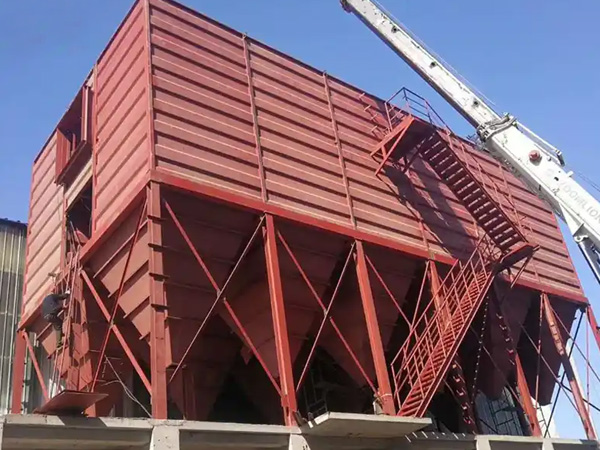
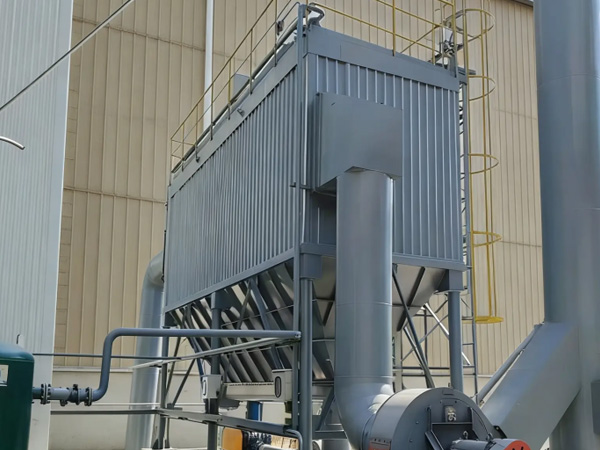
Pulse jet baghouse dust collector design incorporates a dirty air plenum where dust-laden air enters, filter bags that capture particulate, clean air plenum where filtered air collects, and pulse cleaning system that removes accumulated dust cake from filter surfaces. This compartmentalized design enables continuous operation because cleaning occurs without interrupting airflow, unlike shaker or reverse-air baghouse designs that require flow interruption for cleaning cycles.
Filter bag configuration within pulse jet baghouse dust collector systems typically uses top-mounted bags with spring tension that maintains proper positioning and seal integrity throughout operation. Bag material selection, cage support design, and mounting hardware affect filtration performance and service life. Quality pulse jet baghouse dust collector installations ensure that all components work together to deliver reliable dust collection performance.
Aerosol Filtration Mechanisms and Particle Capture
Particle capture in pulse jet baghouse dust collector systems occurs through multiple mechanisms including inertial impaction, interception, diffusion, and gravitational settling that remove particulates from airflow. Initial particle capture establishes dust cake on filter surfaces that subsequently provides primary filtration, with the filter media serving as support structure rather than primary filtration medium in mature pulse jet baghouse dust collector operation.
Cake formation characteristics in pulse jet baghouse dust collector systems depend on particulate properties including adhesion, cohesion, and particle size distribution that affect cake structure and cleaning behavior. Optimal cake formation provides efficient filtration with manageable cleaning requirements, while poor cake characteristics cause excessive pressure drop or incomplete cleaning. Understanding cake formation principles guides pulse jet baghouse dust collector operation and maintenance.
Pulse Jet Cleaning System Operation and Sequence
Cleaning cycle initiation in pulse jet baghouse dust collector systems occurs based on differential pressure, timer control, or combination strategies that optimize cleaning effectiveness while minimizing compressed air consumption. Differential pressure-based control triggers cleaning when pressure drop reaches predetermined levels, ensuring that cleaning occurs only when necessary. This approach reduces compressed air consumption while maintaining filtration efficiency for pulse jet baghouse dust collector operation.
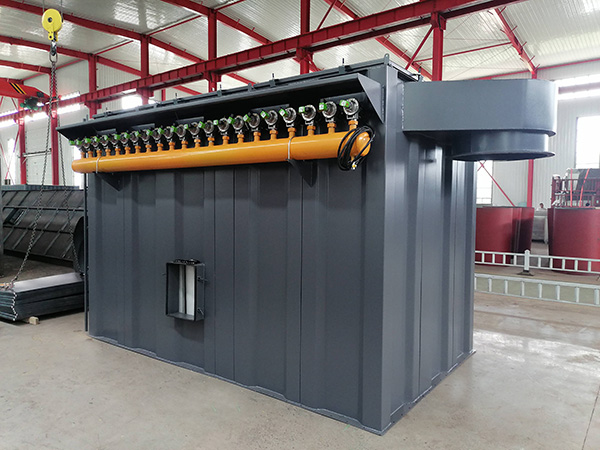
Pulse jet cleaning sequence involves solenoid valve activation that releases compressed air through blowpipes into venturi devices above filter bags, creating high-velocity air injection that expands bags radially to dislodge dust cake. Pulse duration, pressure, and timing affect cleaning effectiveness and compressed air consumption. Optimized cleaning parameters maintain filtration performance while minimizing pulse jet baghouse dust collector operating costs.
Compressed Air System Requirements and Design
Compressed air supply for pulse jet baghouse dust collector cleaning systems must deliver adequate pressure, volume, and air quality that ensures reliable cleaning without excessive energy consumption. Typical cleaning pressure ranges from 60-100 psi depending on bag size, dust characteristics, and cleaning effectiveness requirements. Pressure regulation and storage capacity ensure that pulse jet baghouse dust collector cleaning systems operate reliably.
Air quality requirements for pulse jet baghouse dust collector pulse cleaning include moisture and oil removal that prevents filter media contamination and premature failure. Compressed air dryers, filters, and regular maintenance prevent contamination that could compromise pulse jet baghouse dust collector performance. Contamination prevention protects filter bag investments and maintains reliable operation.
Differential Pressure Control and System Optimization
Differential pressure management in pulse jet baghouse dust collector systems directly affects energy consumption, filtration efficiency, and filter service life. Operating at optimal differential pressure balances fan energy consumption against cleaning frequency and filter life considerations. Control strategies that maintain differential pressure within optimal ranges improve pulse jet baghouse dust collector overall performance and economics.
Pressure drop trend analysis for pulse jet baghouse dust collector systems provides early warning of developing problems including filter blinding, excessive dust loading, or cleaning system malfunction. Gradual pressure drop increases may indicate filter media issues requiring maintenance intervention. Monitoring differential pressure trends enables proactive maintenance that prevents pulse jet baghouse dust collector performance degradation.
Filter Bag Selection and Service Life Optimization
Filter media selection for pulse jet baghouse dust collector applications must consider temperature resistance, chemical compatibility, and cake release characteristics that affect cleaning effectiveness and service life. Media options including polyester, polypropylene, aramid, PTFE, and fiberglass serve different application requirements. Proper media selection ensures that pulse jet baghouse dust collector systems deliver expected performance and longevity.
Bag installation practices affect pulse jet baghouse dust collector performance and service life by preventing installation damage that causes premature failure. Proper bag tensioning, cage installation, and seal verification ensure that filters perform as designed. Installation quality control prevents many common pulse jet baghouse dust collector operational problems.
Emissions Monitoring and Performance Verification
Continuous emissions monitoring for pulse jet baghouse dust collector systems provides compliance documentation and performance verification that supports regulatory requirements. Monitoring methods include opacity observation, particulate concentration measurement, and flow monitoring that verify system performance. Proper monitoring ensures that pulse jet baghouse dust collector systems maintain compliance with applicable regulations.
Performance testing protocols for pulse jet baghouse dust collector systems evaluate filtration efficiency, pressure drop characteristics, and cleaning system effectiveness under actual operating conditions. Test methods following EPA or ISO standards provide comparable performance data that supports system evaluation and optimization. Regular performance testing verifies that pulse jet baghouse dust collector systems continue meeting design objectives.
Maintenance Practices and Troubleshooting Guidelines
Preventive maintenance programs for pulse jet baghouse dust collector systems establish schedules for filter inspection, cleaning system verification, and component service that prevent unexpected failures. Maintenance task prioritization based on criticality and impact ensures that resources focus on activities that most affect system reliability. Well-executed maintenance preserves pulse jet baghouse dust collector performance and extends equipment service life.
Troubleshooting procedures for pulse jet baghouse dust collector operational problems systematize diagnosis and correction of common issues including high differential pressure, poor cleaning effectiveness, and excessive emissions. Structured troubleshooting approaches prevent trial-and-error maintenance that wastes time and resources. Documentation of problems and solutions builds organizational knowledge that improves pulse jet baghouse dust collector support capability.
Making Strategic Pulse Jet Baghouse Dust Collector Decisions
Strategic pulse jet baghouse dust collector system selection requires evaluating application requirements, performance objectives, and lifecycle costs that determine optimal configurations. System sizing, component selection, and control strategy decisions affect performance, reliability, and operating costs throughout equipment service life. Consulting with experienced pulse jet baghouse dust collector suppliers ensures that selected systems match application requirements and deliver expected performance.
Remember that pulse jet baghouse dust collector performance directly affects regulatory compliance, worker health, and production efficiency in industrial facilities. Invest in quality equipment, proper installation, and comprehensive maintenance that ensures reliable system performance. Your strategic pulse jet baghouse dust collector investment delivers lasting value through improved compliance, enhanced operational capability, and optimized production efficiency that supports business success.
References
U.S. Environmental Protection Agency. (2021). EPA Method 9 - Visual determination of opacity emissions. EPA Publications.
Air and Waste Management Association. (2020). AWMA baghouse design and operation manual. AWMA Publications.
American Society of Heating, Refrigerating and Air-Conditioning Engineers. (2021). ASHRAE filtration and dust collection guidelines. ASHRAE Publications.
National Fire Protection Association. (2020). NFPA 654 - Standard for combustible dust fire and explosion prevention. NFPA Publications.
International Organization for Standardization. (2019). ISO 11057:2018 - Performance testing of baghouse filtration systems. ISO Central Secretariat.
 HOT PRODUCT
 CONTACT US