





BLOGSDETAILS
Polyester vs PTFE Filter Bags: Key Differences
Author:shangcheng Time:2026-10-11 13:25:41 Click:114
Choosing between polyester filter bag and PTFE filter bag is one of the most critical decisions in dust collection system design. Each material offers distinct advantages depending on operating temperature, chemical environment, and budget constraints. This comprehensive comparison examines technical specifications, performance characteristics, and total cost considerations to guide your selection process.
Quick Comparison Overview
| Property | Polyester Filter Bag | PTFE Filter Bag |
|---|---|---|
| Continuous Temperature | 130°C (266°F) | 260°C (500°F) |
| Chemical Resistance | Good (acids/bases) | Excellent (most chemicals) |
| Moisture Resistance | Hydrophobic treatment needed | Naturally hydrophobic |
| Abrasion Resistance | Excellent | Good |
| Cost (Relative) | 1x (Baseline) | 3-5x |
| Typical Lifespan | 18-24 months | 36-60 months |
Material Composition and Manufacturing
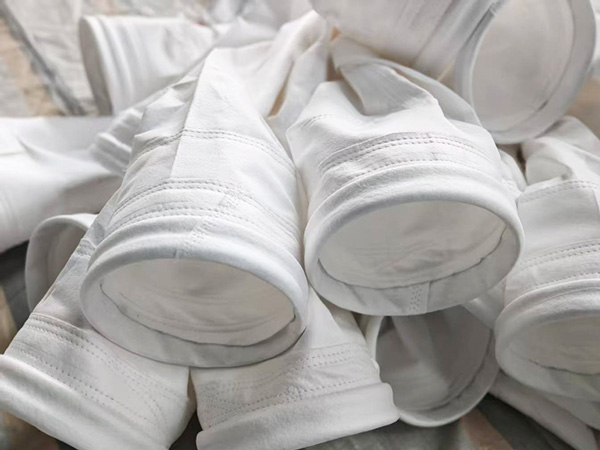
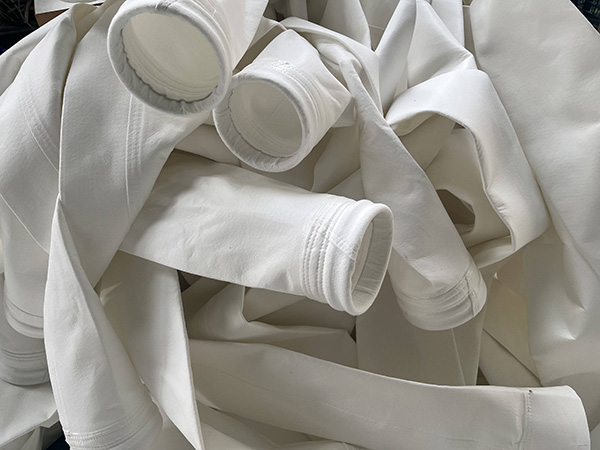
Polyester filter bag media is manufactured from polyethylene terephthalate (PET) fibers through needle punching or woven processes. Standard polyester offers good mechanical properties at economical price points. Manufacturers often apply silicone or graphite coatings to enhance release properties and reduce moisture absorption.
PTFE filter bag (polytetrafluoroethylene) uses expanded PTFE (ePTFE) membranes laminated to substrate scrims. The microscopic nodes and fibrils structure creates a microporous barrier that traps particulates while allowing gas passage. PTFE's inherent chemical inertness makes it suitable for the most aggressive chemical environments.
Temperature Resistance and Thermal Stability
Operating temperature is the primary selection criterion. Polyester filter bag products have a maximum continuous service temperature of 130°C (266°F), with short-term peaks to 150°C. Exceeding these limits causes fiber softening, shrinkage, and eventual bag failure. For high-temperature applications, PTFE filter bag media operates continuously at 260°C (500°F) with excursions to 288°C.
Consider not just average temperature but also thermal cycling effects. PTFE maintains dimensional stability through repeated heating/cooling cycles, while polyester may experience gradual shrinkage. In applications with frequent temperature swings (e.g., start-up/shutdown cycles), PTFE's thermal stability provides longer service life despite higher initial cost.
Chemical Compatibility Analysis
Polyester filter bag performs well in acidic environments (pH 3-9) but degrades in strong alkalis, oxidizing agents, and elevated temperatures combined with moisture. Common failure modes include hydrolysis (acidic/alkaline conditions above 100°C) and oxidation (NOx, ozone exposure).
PTFE filter bag is virtually inert to all industrial chemicals except molten alkali metals and fluorine gas at elevated temperatures. It resists acids, bases, solvents, and oxidizing agents across its entire temperature range. For chemical processing, pharmaceutical, and waste-to-energy applications, PTFE is often the only viable choice.
Filtration Efficiency and Emissions Control
Both polyester filter bag and PTFE filter bag can achieve high filtration efficiency, but through different mechanisms. Polyester relies on depth filtration within the media structure, while PTFE uses surface filtration via its microporous membrane.
PTFE membranes typically provide:
Consistently lower emissions (<1 mg/m³ achievable)
Better capture of submicron particles (PM2.5, nanoparticles)
Reduced blinding and pressure drop accumulation
Easier cleaning (particulates release cleanly from surface)
For applications with stringent emissions requirements (MACT standards, local regulations), PTFE's superior efficiency provides compliance assurance. Polyester may require more frequent cleaning and higher differential pressures to maintain similar outlet concentrations.
Cost-Benefit Analysis and Total Cost of Ownership
Initial purchase price favors polyester filter bag by a factor of 3-5x. However, total cost of ownership (TCO) analysis often reverses this conclusion. Consider these factors:
Polyester TCO factors:
Lower initial cost ($X per bag)
Shorter replacement cycles (18-24 months typical)
Higher energy costs (increasing pressure drop over time)
More frequent maintenance labor
Disposal costs (more frequent changeouts)
PTFE TCO factors:
Higher initial cost (3-5x polyester)
Extended service life (36-60 months)
Lower energy consumption (stable, low pressure drop)
Reduced maintenance frequency
Potential for capEx deferral (extended baghouse life)
In a detailed case study from a cement plant, switching from polyester to PTFE reduced total annual costs by 22% despite 4x higher bag cost, primarily through energy savings and reduced downtime.
Application-Specific Recommendations
Select polyester filter bag for:
General dust collection below 130°C
Non-aggressive chemical environments
Applications where bag changeouts are easily performed
Budget-constrained projects with acceptable maintenance schedules
Woodworking, grain handling, metalworking (dry, non-corrosive)
Select PTFE filter bag for:
High-temperature processes (>130°C continuous)
Chemical processing, pharma, food (FDA compliance needed)
Waste incineration, power generation (acid gases present)
Applications with stringent emissions limits
Difficult access dust collectors (minimize changeouts)
Frequently Asked Questions
Can I use polyester filter bags in high-humidity applications?
Standard polyester filter bag is not recommended for high-humidity (>65% RH) or moisture-laden streams without hydrophobic treatment. Condensation can cause bag weight gain, reduced filtration efficiency, and accelerated blinding. For humid applications, consider PTFE or specifically treated polyester with silicone/graphite coatings.
How do I calculate the ROI for upgrading to PTFE filter bags?
Calculate: (Energy savings + Reduced maintenance labor + Extended life value + Compliance risk reduction) / (PTFE premium cost). Most industrial applications show payback in 18-30 months. Use your actual kWh rates, labor costs, and bag changeout frequency for accurate analysis.
Are there hybrid options between polyester and PTFE?
Yes, PTFE filter bag with polyester substrate (rather than PTFE substrate) offers 70% of PTFE performance at 2x polyester cost. Also consider acrylic (higher temperature than polyester), Nomex (meta-aramid, 200°C continuous), and Ryton (PPS, 190°C, excellent acid resistance) as intermediate options.
What testing should I request from suppliers for material verification?
Request: (1) Gravimetric analysis (weight gain after chemical exposure), (2) Tensile strength retention after heat aging, (3) Permeability measurements (airflow resistance), (4) Surface treatment verification (contact angle for hydrophobicity). Reputable suppliers provide this data sheets for each production batch.
Conclusion
The choice between polyester filter bag and PTFE filter bag ultimately depends on your specific operating conditions, performance requirements, and economic priorities. Polyester remains the workhorse for general applications below 130°C with moderate chemical exposure. PTFE delivers superior performance in aggressive environments and offers compelling total cost of ownership despite higher upfront investment.
Conduct a thorough application audit, engage suppliers for side-by-side testing when possible, and model total cost of ownership over a 3-5 year horizon. The right choice balances technical requirements with economic reality—and in many cases, the higher-performing PTFE solution delivers better long-term value despite initial cost premiums.
References
American Society of Mechanical Engineers. (2021). ASME AG-1-2021: Code on Nuclear Air and Gas Treatment. ASME Press.
European Filtration Society. (2020). Guidelines for Filter Media Selection in Industrial Applications. EFS Technical Report No. 12.
Gore, W.L. & Associates. (2022). PTFE Membrane Technology for Industrial Filtration. W.L. Gore & Associates Technical Publication.
International Energy Agency. (2023). Energy Efficiency in Industrial Dust Collection Systems. IEA Clean Energy Transition Programme.
Zhang, H., et al. (2019). "Comparative Study of Filter Media for PM2.5 Control in Flue Gas." Chemical Engineering Journal, 378, 122-135.
 HOT PRODUCT
 CONTACT US