





BLOGSDETAILS
Industrial Screw Conveyor Applications in Dust Handling Systems
Author:shangcheng Time:2026-09-09 14:31:21 Click:150
Every dust collection system needs a way to move the captured material from the collector to a discharge point, storage bin, or packaging line. In countless cement, power, chemical, and food processing plants, the chosen solution is the industrial screw conveyor—a simple, enclosed, and reliable piece of equipment that has been moving bulk solids since the 19th century. The reason it remains so common is not nostalgia. The industrial screw conveyor handles abrasive dust, sticky ash, and fine powder with minimal maintenance, fits into tight spaces, and can be customized for inclines, multiple discharge points, and aggressive environments. This guide covers how the conveyor operates in dust handling, what factors drive selection, and what engineers should consider before specifying one.
How an Industrial Screw Conveyor Moves Dust
The basic principle is straightforward. A helical screw rotates inside a tubular or U-shaped casing. Material entering the conveyor at the inlet is picked up by the screw flights and pushed along the casing toward the discharge. The enclosed casing prevents dust from escaping into the plant atmosphere, which is critical for environmental compliance and worker safety. Because the screw flights are in continuous contact with the material, the industrial screw conveyor can convey at any angle, from horizontal to steeply inclined, and can even operate vertically in specialized configurations.
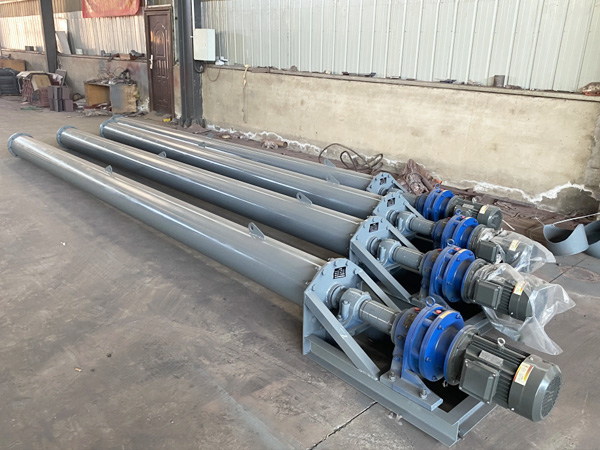
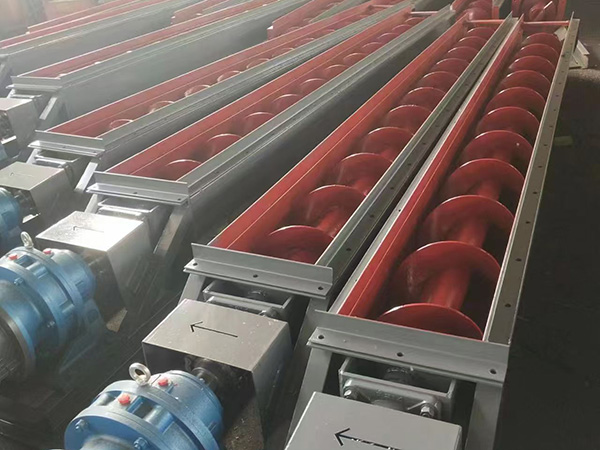
Dust collection systems generate a range of challenging materials: fine fly ash from boilers, cement kiln dust, lime powder, gypsum, metal oxides, and food-grade flour, to name a few. The industrial screw conveyor handles these materials well for several reasons. The enclosed design contains the dust and protects it from contamination. The conveyor operates at controlled, predictable rates, making it easy to integrate with downstream processes. It requires no internal bearings in the material path, which eliminates a major failure point in abrasive service. And it scales from small laboratory units to large industrial lines handling hundreds of tons per hour.
Key Design Factors for Dust Handling Applications
Selecting an industrial screw conveyor for dust service begins with understanding the material. Particle size distribution, bulk density, moisture content, flowability, and abrasiveness all influence the choice of screw type, casing material, and drive power. For fine, free-flowing dust, a standard pitch screw in a smooth tubular casing works well. For sticky or cohesive materials that tend to bridge or ratholing, a variable-pitch screw or a shaftless design prevents material from adhering to the screw and reduces capacity. Abrasive materials call for hard-facing on the screw flights or a replaceable screw liner system that extends component life.
Industrial Screw Conveyor Configurations for Dust Systems
The standard industrial screw conveyor comes in several configurations suited to dust handling. The tubular screw conveyor uses a fully enclosed round tube, which is the best choice when dust containment is paramount. The U-trough conveyor uses a half-round trough with a removable cover, which is easier to access for maintenance and is suitable for non-toxic dusts. For inclined conveying, a tubular conveyor with a internal bend at the top transition is the typical choice. When the system requires multiple discharge points along the conveyor length, a slide-gate or cut-and-fold trough design allows selective discharge without stopping the screw.
Drive, Sealing, and Auxiliary Components
The drive unit—typically a geared motor or shaft-mounted gear reducer—must be sized to handle both the steady-state material load and the starting torque required to move a full flight of heavy dust. Oversizing the drive by 15 to 25 percent is standard practice to account for material inconsistencies and occasional overloads. Sealing at the drive end and at intermediate hanger bearings is critical in dust service. Packing gland seals or labyrinth seals prevent dust from migrating into the bearing housing, which is the most common cause of premature drive-end failure. Shaft seals should be inspected at every scheduled maintenance interval and replaced proactively, not when they begin to leak.
Safety and Emission Considerations
Dust handling conveyors operate under environmental and occupational safety regulations that affect both the equipment specification and the installation. Combustible dust hazards—present in many metal, chemical, and food processing dusts—require careful attention to dust containment, grounding to prevent static discharge, and selection of motors with appropriate hazardous-area ratings. The industrial screw conveyor casing should be properly vented to prevent pressure buildup during surge loads, and all joints should be sealed with gasket material rated for the operating temperature and material chemistry.
Integration With Dust Collection Equipment
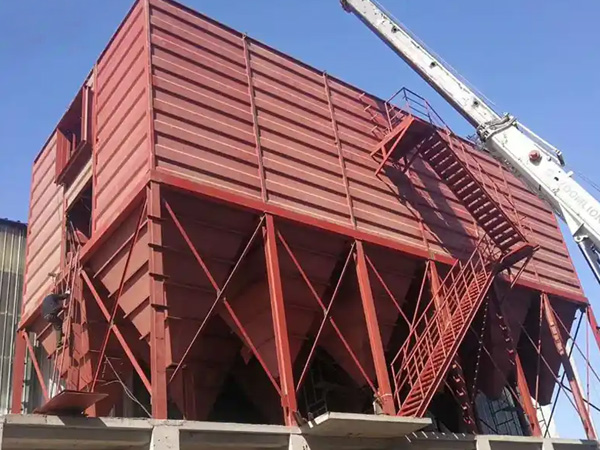
In most plant installations, the industrial screw conveyor sits beneath the dust collector hopper and receives the captured material as the collector cleans. The conveyor discharge feeds a storage silo, a packing machine, or a pneumatic conveying pickup point. Proper integration requires matching the conveyor's maximum capacity to the collector's dust generation rate, with enough reserve to handle peak loads without overflow. A common design error is specifying a conveyor sized for average dust generation rather than peak; the resulting overflow causes housekeeping problems and can trip the dust collector on high bin levels.
Frequently Asked Questions
What materials can an industrial screw conveyor handle in dust collection?
Most dry, free-flowing dusts and powders are suitable. Sticky or moist materials may require a shaftless screw conveyor or special flight geometry. Highly abrasive dusts call for hard-faced or replaceable screw liners.
How do I prevent dust from escaping at the drive end?
Use properly rated shaft seals—packing gland or labyrinth designs are standard for dust service. Inspect and replace seals at every scheduled maintenance interval, and ensure the drive housing is rated for the pressure conditions inside the casing.
What drive size do I need for a dust-handling screw conveyor?
Size the drive for peak material load plus a 15 to 25 percent safety margin, accounting for starting torque. The conveyor manufacturer should provide a power calculation based on material bulk density, conveyor length, incline angle, and screw speed.
Can an industrial screw conveyor operate outdoors?
Yes, with weatherproof drive enclosures and appropriate corrosion protection on the casing. For outdoor installations in freezing climates, consider heat tracing on the casing to prevent material freeze-up.
Conclusion
The industrial screw conveyor remains a first-choice solution for moving dust, ash, and powder in material handling systems because of its reliability, enclosed design, and adaptability to a wide range of materials and configurations. Selecting the right unit requires understanding the material properties, matching the conveyor configuration to the plant layout, and specifying appropriate drive, sealing, and safety features. An industrial screw conveyor that is sized and specified correctly will provide years of trouble-free service with minimal maintenance.
References
CEMA (Conveyor Equipment Manufacturers Association). (2007). Belt Conveyors for Bulk Materials, 6th Edition. CEMA.
Roberts, A. W. (1999). The influence of granular flow physics on screw conveyor performance. Powder Handling and Processing, 11(2), 155–162.
Schmidt, L., et al. (2003). Design and application of screw conveyors for bulk solids. Chemical Engineering and Processing, 42(6), 421–429.
Yu, Y., & Arnold, P. C. (1997). Theoretical modelling of torque requirements for horizontal screw conveyors. Bulk Solids Handling, 17(3), 423–428.
 HOT PRODUCT
 CONTACT US