





BLOGSDETAILS
How to Choose an Industrial Filter Bags Supplier
Author:shangcheng Time:2026-10-10 12:48:58 Click:150
Selecting the right industrial filter bags supplier is a critical decision that directly impacts your dust collection system's efficiency, operational costs, and regulatory compliance. With hundreds of suppliers worldwide offering seemingly similar products, making an informed choice requires understanding technical specifications, manufacturing capabilities, and quality assurance processes.
Understanding Your Filtration Requirements
Before evaluating suppliers, clearly define your application parameters. Industrial filter bags must match specific operating conditions including temperature (continuous and peak), chemical exposure, moisture levels, and particulate characteristics. For example, cement plants typically require bags rated for 260°C continuous operation with alkali resistance, while pharmaceutical applications demand FDA-compliant materials with high filtration efficiency.
Conduct a thorough audit of your current dust collection system. Document filtration area, air-to-cloth ratio, pressure drop tolerances, and cleaning mechanism type (pulse-jet, shaker, or reverse air). This data forms the foundation for meaningful discussions with potential suppliers and ensures recommended solutions align with your operational reality.

Evaluating Supplier Manufacturing Capabilities
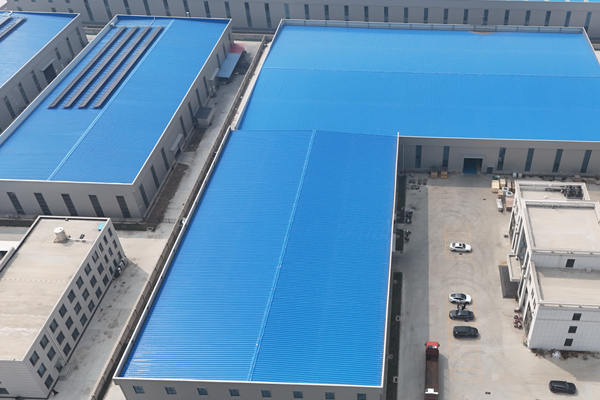
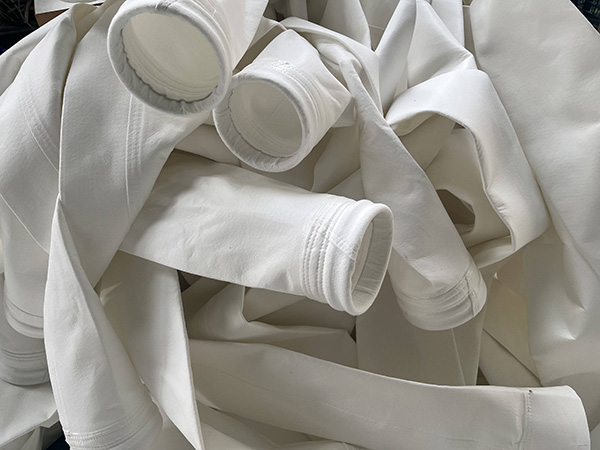
A reputable industrial filter bags supplier should demonstrate vertical integration in their manufacturing process. Suppliers who control needle punching, heat setting, and chemical treatment in-house typically deliver superior product consistency. Ask for facility certifications—ISO 9001:2015 is baseline, while ISO 14001 indicates environmental management commitment.
Examine production capacity and lead times. Reliable suppliers maintain adequate raw material inventory and have redundant production lines to handle urgent orders. Request case studies showing on-time delivery performance for clients in your industry. A supplier specializing in polyester filter bag production should have documented experience with your specific application type.
Quality Assurance and Testing Protocols
Quality differentiation separates premium suppliers from commodity providers. Inquire about in-process quality checks, finished goods testing, and traceability systems. Top-tier suppliers perform gravimetric analysis, tensile strength testing, and permeability measurements on every production batch.
Request copies of test reports for products similar to your requirements. Pay attention to aerodynamic penetration testing results—this data predicts real-world filtration efficiency. Suppliers should also provide material safety data sheets (MSDS) and compliance certificates for regulated industries like food processing or pharmaceuticals.
Technical Support and Customization Services
The best industrial filter bags supplier relationships extend beyond transactional purchases. Evaluate the supplier's engineering support capabilities. Can they perform computational fluid dynamics (CFD) analysis of your dust collector? Do they offer on-site audits and performance optimization recommendations?
Customization flexibility is equally important. Your operations may require specialized treatments like silicone or graphite coating, custom cuff designs, or anti-static properties. Suppliers with in-house R&D departments can develop application-specific solutions rather than forcing standard products into unsuitable applications.
Total Cost of Ownership Analysis
Avoid the common mistake of selecting suppliers based solely on initial purchase price. Industrial filter bags represent a consumable expense, but their performance affects energy consumption, maintenance labor, and compliance costs. Calculate total cost of ownership (TCO) over the expected bag life—typically 18-36 months depending on application severity.
Factor in energy savings from lower pressure drop, reduced downtime for bag changes, and disposal costs for spent bags. Premium polyester filter bag products often deliver 20-30% longer service life despite higher upfront costs. Request TCO models from suppliers showing projected savings based on your operating parameters.
Global Reach and Local Support
For multinational operations, supplier geographic coverage matters. A industrial filter bags supplier with regional warehouses and local technical support ensures rapid response to emergencies. Verify spare parts availability and average response times for technical inquiries.
Consider suppliers who offer inventory management programs. Consignment stock arrangements or vendor-managed inventory (VMI) can reduce your carrying costs while guaranteeing material availability. This is particularly valuable for critical applications where unplanned downtime is unacceptable.
Sustainability and Environmental Compliance
Modern suppliers must address sustainability concerns. Inquire about bag recyclability, use of recycled materials in production, and waste reduction initiatives in their manufacturing processes. Some progressive suppliers offer take-back programs for spent bags, diverting waste from landfills.
Ensure supplier products meet or exceed environmental regulations in your jurisdiction. In the US, this means compliance with NESHAP standards and potential MACT requirements. European operations require CE marking and REACH compliance. Documentation should be readily available from quality suppliers.
Frequently Asked Questions
What certifications should a reliable industrial filter bags supplier have?
At minimum, look for ISO 9001:2015 quality management certification. Additional certifications like ISO 14001 (environmental management), OHSAS 18001 (occupational health & safety), and industry-specific certifications (FDA, USDA, etc.) demonstrate commitment to quality and compliance.
How do I compare quotes from different suppliers?
Compare based on total value, not just price. Evaluate bag life expectancy, energy efficiency (pressure drop), warranty terms, technical support offered, and delivery reliability. Request references from similar applications to validate performance claims.
What is the typical lead time for custom filter bags?
Standard polyester filter bag orders typically ship within 2-4 weeks. Custom designs or specialized materials may require 6-8 weeks for first article approval and production. Establish backup suppliers for emergency replacements.
How often should I audit my filter bag supplier?
Conduct formal supplier audits annually for critical applications. Review quality metrics quarterly—bag life, failure rates, and complaint resolution times. Site visits every 2-3 years help verify ongoing capability and quality systems.
Conclusion
Choosing the right industrial filter bags supplier requires balancing technical capability, quality assurance, total cost, and support services. Prioritize suppliers who demonstrate application expertise in your industry, maintain rigorous quality systems, and offer comprehensive technical support. Remember that the lowest purchase price rarely delivers the lowest total cost—evaluate suppliers based on proven performance and long-term partnership potential.
Start by requesting samples and performance data from 3-5 qualified suppliers. Conduct side-by-side testing in your actual operating environment whenever possible. Document results meticulously to build an evidence-based supplier selection process that supports your operations for years to come.
References
American Filtration & Separations Society. (2023). Filter Media Selection Guide for Industrial Applications. AFS Press.
Environmental Protection Agency. (2022). Control of Particulate Matter Emissions from Industrial Sources. EPA/452/R-22-001.
International Organization for Standardization. (2015). ISO 9001:2015 Quality Management Systems. ISO.
Smith, J., & Patterson, R. (2021). "Total Cost of Ownership Analysis for Dust Collection Systems." Filtration & Separation Technology, 45(3), 112-128.
Wang, L., et al. (2020). "Advanced Filter Media for High-Temperature Applications." Journal of Industrial Textiles, 49(6), 789-812.
 HOT PRODUCT
 CONTACT US