





BLOGSDETAILS
Dust Collector Filter Bag Replacement Guide for Plants
Author:shangcheng Time:2026-08-06 14:13:37 Click:184
Replacing a dust collector filter bag is one of the most frequent maintenance events in an industrial plant, yet it is also one of the most commonly mismanaged. Done poorly, a change-out drags on for days, wastes good bags, and damages cages that should have served another cycle. Done well, it is a scheduled, predictable job that protects emission compliance and production uptime. This guide shares the field-tested procedure our factory team uses when supporting plants across cement, steel, food, and chemical processing.
When Does a Dust Collector Filter Bag Need Replacing?
There is no universal calendar for dust collector filter bag life. Service life depends on temperature, dust abrasiveness, moisture, and cleaning intensity. In light ambient duty, bags may run four to five years; in abrasive or high-temperature service, twelve to eighteen months is common. Rather than relying on age alone, plants should track differential pressure, opacity readings, and bag condition at every inspection to build a site-specific replacement schedule.
Signs of Wear You Can See and Measure
Visible clues include holes near the bottom cup, worn cuffs at the top, stiff fabric that no longer flexes, and a heavy cake that will not release even after cleaning. Measured clues matter just as much: a steady climb in pressure drop, a rising opacity signal, or dust accumulation in the clean-air plenum all point to failed bags. When two or more of these signs appear together, plan the replacement before a full failure forces an emergency shutdown.
Planning the Change-Out: Inventory and Logistics
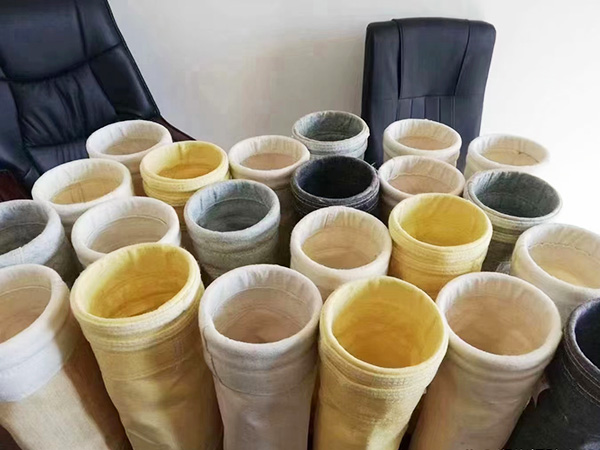
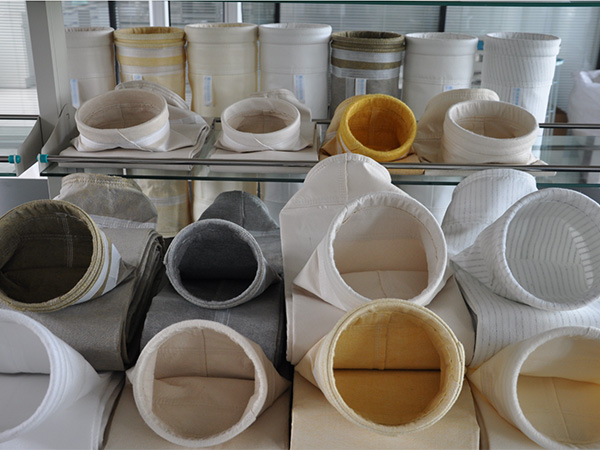
Start by counting the bags in each compartment and confirming their diameter, length, and top construction against the cage. Order the full quantity plus a small spare percentage, and confirm delivery dates with your filter bag supplier before booking the shutdown window. Stage the new bags near the collector, arrange lifting aids and disposal bins for the old ones, and brief the crew on access and lockout procedures. A well-staged change-out that would otherwise take three days can be finished in one.
Step-by-Step Replacement Procedure
Follow the plant lockout and tagout procedure, then open the clean-air plenum. Remove the top cap or fastening hardware, lift the old bag and its cage together, and set the cage aside for inspection. Insert the new dust collector filter bag into the cage while both are horizontal on a clean surface, then lift the assembly vertically into the tube sheet. Seat the top firmly, confirm the seal is even around the full circumference, and move to the next tube. Work in one compartment at a time so the rest of the collector keeps running.
Inspecting Cages and Hardware During Replacement
Replacement is the only time the cages are in your hands, so inspect every one before reuse. Check for bent verticals, loose rings, coating breakdown, and rust that could migrate onto fresh media. Replace any cage that is out of straightness, because a bent cage will ruin the new bag within weeks. While the plenum is open, also check solenoid valves, blowpipe alignment, and diaphragm condition—these are cheap to fix now and expensive to discover after start-up.
Avoiding Common Replacement Mistakes
The frequent errors are ordering the wrong bag length, mixing media types within a compartment, skipping seal verification, reusing a damaged cage, and over-tightening top hardware until the cuff distorts. Another quiet mistake is installing bags in wet or dusty weather without covering the tubes, allowing debris to fall inside. Every one of these is avoidable with a written procedure and a short toolbox talk before the job begins.
Data That Improves the Next Replacement Cycle
Record the installation date, batch number, and compartment for every bag, and keep pressure-drop logs from start-up onward. When the next change-out arrives, that data tells you which media works and which does not. A serious filter bag factory will review your logs with you and adjust the specification—fiber, weight, or finish—to extend the next cycle rather than simply selling you the same bag again.
Frequently Asked Questions
How often should dust collector filter bags be replaced?
There is no fixed interval. Monitor pressure drop and opacity, inspect bags at planned shutdowns, and replace based on condition rather than the calendar.
Can I replace bags in one compartment while the rest runs?
Yes. Most collectors are designed with isolation dampers per compartment, allowing safe change-outs without stopping the whole system.
How do I know if a failure is media-related or cage-related?
Inspect the hole pattern. Localized holes near a ring or vertical usually mean cage contact; diffuse wear or holes at the bottom often indicate media or pulse problems.
Should I replace all bags at once or only failed ones?
Replace all bags in a compartment when more than a few have failed. Mixed-age media cleans unevenly and makes the next failure predictable and frequent.
Conclusion
A structured approach to dust collector filter bag replacement turns a stressful emergency into a routine job. Plan with data, follow a disciplined procedure, inspect the cages while you have access, and record everything. The result is shorter downtime, lower cost per bag cycle, and a collector that stays inside its emission limits.
References
Dennis, R., & Klemm, H. (1980). Filter media and cleaning systems for fabric filters. Journal of the Air Pollution Control Association, 30(5), 515–522.
Saleem, M., & Krammer, G. (2007). Optical in-situ measurement of filter cake height during bag filter cleaning. Powder Technology, 173(2), 93–106.
Kavouras, A., et al. (2006). On the optimization of pulse-jet fabric filter cleaning. Journal of Hazardous Materials, 137(1), 59–66.
Mouret, A., et al. (2009). Influence of operating conditions on the performance of a pulse-jet bag filter. Filtration & Separation, 46(6), 34–37.
 HOT PRODUCT
 CONTACT US