





BLOGSDETAILS
Diaphragm Pulse Valve: Maintenance Tips for Extended Service Life
Author:shangcheng Time:2026-10-12 14:19:12 Click:158
Proper maintenance of diaphragm pulse valve components is essential for reliable dust collector operation, energy efficiency, and prevention of costly unplanned downtime. This comprehensive guide provides industrial maintenance teams with actionable inspection procedures, failure mode analysis, and preventive maintenance strategies to maximize valve service life and system performance.
Understanding Diaphragm Pulse Valve Operation
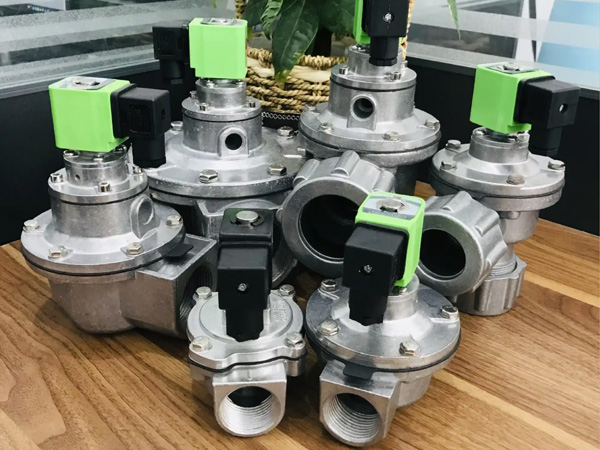
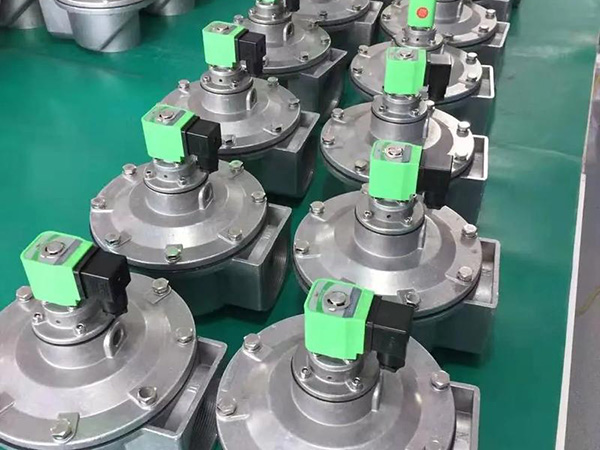
A diaphragm pulse valve controls high-pressure air pulses (80-150 psi) in dust collection systems. The diaphragm flexes to open/close the air passage, creating pressure waves that clean filter bags. Typical cycle life expectations:
Standard NBR Diaphragm: 500,000 - 1,000,000 cycles (12-24 months)
Viton Diaphragm: 1,000,000 - 2,000,000 cycles (24-36 months)
EPDM Diaphragm: 750,000 - 1,500,000 cycles (18-30 months)
Actual life depends on operating pressure, cycle frequency, air quality, and ambient temperature. Proactive maintenance extends service life by 30-50%.
Preventive Maintenance Schedule
Implement a structured maintenance program for diaphragm pulse valve systems:
Daily (Visual Inspection):
Check for audible air leaks (hissing sounds)
Observe pressure gauge fluctuations during pulsing
Note any irregular cleaning patterns (bag pressure drop)
Verify timer/controller operation (LED indicators)
Weekly (Operational Test):
Manual trigger each valve to verify proper operation
Check pulse duration and frequency settings
Inspect electrical connections (tightness, corrosion)
Verify compressed air supply pressure (80-120 psi typical)
Monthly (Detailed Inspection):
Measure coil resistance (specified range ±10%)
Check diaphragm condition (visual through bonnet)
Inspect valve mounting and alignment
Test emergency/override functions
Review maintenance logs for trends
Annually (Major Service):
Replace all diaphragms (preventive replacement)
Clean/replace valve internals (pilot orifice, spring)
Test pressure switch/transducer calibration
Verify enclosure integrity (NEMA rating)
Update maintenance documentation and spare parts inventory
Step-by-Step Maintenance Procedures
1. Diaphragm Inspection and Replacement
Tools Required: Socket set, torque wrench, diaphragm replacement kit, clean rags, compressed air.
Procedure:
Isolate Valve: Depressurize system, lockout/tagout per LOTO procedures
Disassemble Bonnet: Remove cap screws (typically 4-8 bolts), note torque values
Inspect Diaphragm: Check for cracks, hardening, swelling, or embedded debris
Clean Valve Body: Remove old gasket material, debris, and corrosion
Install New Diaphragm: Use new gaskets/seals, lubricate with compatible grease
Reassemble: Torque bolts to manufacturer specification (typically 10-20 Nm)
Test: Pressurize system, check for leaks, verify proper operation
Safety Warning: Always depressurize system before disassembly. Store energy (springs, etc.) can cause injury. Use proper PPE (safety glasses, gloves).
2. Coil Testing and Replacement
Symptoms of Coil Failure: Valve not actuating, burnt smell, visible burning/melting, intermittent operation.
Testing Procedure:
Disconnect electrical supply
Measure coil resistance with multimeter (typical: 20-50Ω for 24VDC, 200-500Ω for 120VAC)
Compare to manufacturer specification (±10% tolerance)
If out of range, replace coil assembly
Verify voltage at coil terminals during operation (should match nameplate)
Replacement Tips:
Use identical replacement coil (voltage, wattage, enclosure rating)
Check voltage compatibility (AC vs DC, 50/60 Hz)
Apply dielectric grease to connections to prevent corrosion
Ensure proper seating in valve body (magnetic coupling)
3. Pilot Valve Maintenance
Many diaphragm pulse valve designs use a small pilot valve to actuate the main diaphragm. Common issues:
Symptom: Main valve doesn't open, or opens slowly.
Cause: Clogged pilot orifice, stuck pilot plunger, worn pilot seat.
Maintenance Steps:
Disassemble pilot assembly (typically 2-4 screws)
Clean orifice with compressed air and soft brush
Inspect plunger for wear, corrosion, or debris
Replace pilot valve if worn beyond limits
Reassemble with new seals/gaskets
Common Failure Modes and Troubleshooting
| Failure Mode | Symptoms | Probable Causes | Corrective Action |
|---|---|---|---|
| Diaphragm Rupture | Continuous air leak, loss of cleaning pressure | Age, overpressure, chemical attack, incorrect installation | Replace diaphragm, verify pressure settings, check chemical compatibility |
| Coil Burnout | Valve not actuating, burnt smell, visible damage | Overvoltage, high duty cycle, poor ventilation | Replace coil, verify voltage, reduce duty cycle, improve cooling |
| Sticking Plunger | Slow response, intermittent operation | Contaminated air, corrosion, lack of lubrication | Clean/replace valve, install better filtration, use lubricant |
| Orifice Clogging | Reduced flow, sluggish operation | Dirty compressed air, pipe scale, debris | Clean orifice, improve filtration (5 μm rating), drain moisture |
| Electrical Failure | No operation, intermittent actuation | Loose connections, vibration, moisture ingress | Tighten connections, apply dielectric grease, check enclosure seal |
Optimizing Diaphragm Pulse Valve Performance
Extend diaphragm pulse valve service life through these optimization strategies:
1. Compressed Air Quality:
Install high-quality filtration (5 μm rating at valve inlet)
Ensure adequate moisture removal (dryer to -40°C dew point)
Add oil removal filter if compressor is lubricated
Drain receiver tanks daily to prevent moisture carryover
2. Operating Parameters:
Maintain supply pressure within valve rating (80-150 psi typical)
Optimize pulse duration (100-150 ms typical, adjust for system response)
Set appropriate pulse frequency (1-10 pulses/minute per valve)
Limit duty cycle to <25% to prevent coil overheating
3. Environmental Protection:
Use appropriate enclosure rating (NEMA 4 for indoor, NEMA 4X for outdoor/washdown)
Install sunshade for outdoor installations
Apply corrosion inhibitor to external metal surfaces
Protect from physical damage (impact, vibration)
4. Documentation and Tracking:
Maintain valve maintenance log (date, action, parts replaced)
Track valve performance metrics (pressure drop, cycle count)
Analyze failure patterns to identify root causes
Update preventive maintenance schedule based on actual performance
Cost-Benefit Analysis of Preventive Maintenance
Compare reactive vs. preventive maintenance for diaphragm pulse valve systems:
Reactive Maintenance Costs:
Emergency valve replacement: $300-$800 (including labor)
Unplanned downtime: $500-$5,000 per hour (varies by industry)
Expedited shipping for parts: $50-$200 premium
Overtime labor rates: 1.5-2x normal rates
Preventive Maintenance Costs:
Planned diaphragm replacement: $50-$150 per valve
Scheduled labor: Standard rates, planned during downtime
Inventory carrying cost: $20-$50 per valve annually
Reduced downtime: 80-90% fewer unplanned failures
ROI Calculation Example:
Assume 20 valves in dust collector:
Reactive: 4 emergency replacements/year × $500 = $2,000 + downtime cost $10,000 = $12,000/year
Preventive: 20 diaphragms × $100 + labor $1,000 = $3,000/year
Annual Savings: $9,000 (75% reduction in maintenance costs)
Frequently Asked Questions
How often should I replace diaphragm pulse valve diaphragms?
Preventive replacement every 12-24 months depending on cycle frequency and operating conditions. Monitor valve performance—replace if pressure drop increases >20% or if leaks develop. Keep maintenance log to establish optimal replacement interval for your application.
Can I rebuild diaphragm pulse valves, or should I replace them?
Simple repairs (diaphragm, coil, seals) are cost-effective. For extensive corrosion, damaged valve body, or >5-year-old valves, replacement is recommended. Compare rebuild cost (parts + labor) vs. new valve cost—if >60% of new valve price, replace.
What spare parts should I stock for diaphragm pulse valves?
Minimum inventory: (1) Diaphragm repair kits (1 set per 5 valves), (2) Coils (1 spare per voltage type), (3) Pilot valves (1 spare per 10 valves), (4) Mounting hardware. For critical applications, stock complete valve assemblies (10% of installed base).
How do I troubleshoot a diaphragm pulse valve that won't open?
Check: (1) Electrical supply (voltage at coil), (2) Coil continuity (multimeter test), (3) Air supply pressure, (4) Pilot orifice (clean/replace), (5) Diaphragm condition (rupture, sticking). Most failures are electrical (coil) or contaminated air (orifice/plunger).
What is the typical service life of a diaphragm pulse valve?
With proper maintenance: (1) Diaphragm: 1-3 years, (2) Coil: 3-5 years, (3) Valve body: 10-15 years. Actual life depends on cycle frequency, air quality, operating pressure, and ambient conditions. Harsh environments (high humidity, contaminants) reduce life by 30-50%.
Conclusion
Proactive maintenance of diaphragm pulse valve systems delivers measurable returns through extended component life, reduced downtime, and optimized dust collector performance. Implement the preventive maintenance schedule and procedures outlined in this guide to achieve 30-50% longer valve service life and 75% reduction in unplanned maintenance costs.
Establish partnerships with reliable diaphragm pulse valve suppliers who provide technical support, readily available spare parts, and application engineering expertise. Document all maintenance activities meticulously to build a knowledge base for continuous improvement. Remember that effective maintenance is not a cost center but a strategic investment in operational reliability and profitability.
For complex troubleshooting or optimization projects, engage suppliers with in-house testing capabilities and field service teams. Their experience across hundreds of installations can accelerate problem resolution and prevent recurring failures. Prioritize air quality improvement—clean, dry compressed air is the single most impactful factor for extending valve service life.
References
American Society of Mechanical Engineers. (2021). ASME PCC-2-2021: Repair of Pressure Equipment and Piping. ASME Press.
Compressed Air and Gas Institute. (2020). CAGI Best Practices for Compressed Air System Maintenance. CAGI Technical Publication.
International Society of Automation. (2022). ISA-51.1-2022: Process Instrumentation Terminology. ISA Standards.
Jones, R.M., & Smith, P.T. (2019). "Preventive Maintenance Strategies for Industrial Valves." Journal of Quality in Maintenance Engineering, 25(3), 287-304.
Wang, L., et al. (2021). "Lifecycle Cost Analysis of Pulse-Jet Dust Collector Valves." Powder Technology, 389, 432-445.
 HOT PRODUCT
 CONTACT US