






BLOGSDETAILS
Common Pulse Valve Troubleshooting Methods for Baghouses
Author:shangcheng Time:2026-08-26 18:26:26 Click:100
A failing pulse valve announces itself quietly before it becomes an emergency. The collector pressure climbs, opacity rises, and one row of filter bags runs hotter than the others. By the time the operator notices dust escaping the stack, the damage to the media is already done. The difference between a two-hour fix and a two-day shutdown often comes down to how quickly the crew recognizes the symptom pattern and follows a structured troubleshooting sequence. This article shares the field logic our factory service team uses when called to diagnose pulse valve troubleshooting cases on site.
How a Pulse Valve Is Supposed to Work
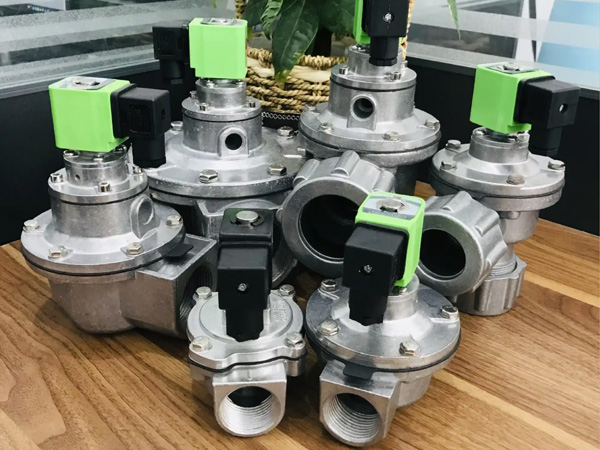
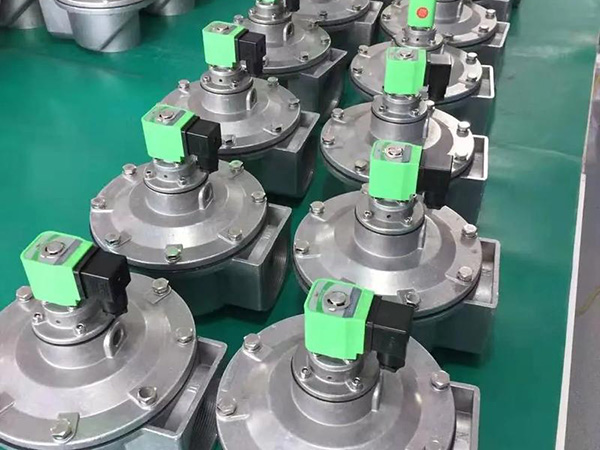
Before troubleshooting a fault, it helps to understand the normal cycle. A pulse valve sits between the compressed-air reservoir and the blowpipe. When the controller sends an electrical signal, the pulse valve opens for a set duration—usually 50 to 150 milliseconds—and releases a high-velocity burst of air. The burst travels down the blowpipe, through the venturi in the compressed air pulse valve assembly, and into the filter bag, flexing the fabric and shedding the dust cake. The valve then closes, the bag relaxes, and the cycle repeats on the next row. A fault in any part of this sequence produces a recognizable symptom.
Symptom: No Pulse Reaches the Bag
The first sign of a dead pulse valve is silence—there is no audible pop when the controller fires. The most common causes are a failed solenoid coil, a broken diaphragm, or a lost electrical signal. Check the solenoid first: disconnect the coil and apply a test voltage or use a multimeter to verify continuity. If the coil is open circuit, replace it. If the coil fires but nothing happens, the diaphragm inside the valve body is almost certainly torn or deformed and the entire valve cartridge needs to be exchanged. Never delay once a coil failure is confirmed; the adjacent rows pick up the cleaning load and wear out faster.
Symptom: Weak or Partial Pulse
A pulse that reaches the bag but lacks force usually points to pressure loss upstream or valve restriction inside. Check the reservoir pressure with a gauge at the tank, not just at the main header. If the tank pressure sags during pulsing, the compressor capacity is marginal or the tank is too small for the number of valves firing simultaneously. If tank pressure is fine, listen for hissing from the valve body—a leaking pilot or a worn seat reduces the opening stroke and cuts pulse energy. A trained technician with an in-line pressure transducer can measure the actual pulse peak and compare it to the manufacturer specification in under five minutes.
Symptom: Valve Fires Continuously or Sticks Open
A valve that does not close after firing is a serious fault. The most frequent cause is debris caught in the diaphragm seat—particulate drawn in during a pressure drop or from a contaminated air line. In our experience, a stuck-open valve is almost always an air-quality problem first and a valve problem second. Installing and maintaining point-of-use filters on the supply line prevents recurrence. Another cause is a solenoid that has fused mechanically; the coil energizes but the plunger does not release. Swap the coil to confirm, and replace both the coil and the cartridge if either is suspect.
Symptom: Intermittent Firing Across Multiple Valves
When several valves fail randomly, the first instinct is to blame the valves, but the wiring and the controller deserve attention too. Inspect the terminal connections for corrosion, looseness, or heat damage. Measure the signal voltage at each valve under load; the controller datasheet will specify the minimum voltage required. If voltage is marginal at the end of a long cable run, the solution is not larger wire but often a higher-quality controller or localized signal amplifiers. One plant we supported had fourteen intermittent faults in six months until a ground-loop issue in the controller was traced and corrected—no valves were ever faulty.
Diagnosing With Differential Pressure Data
Modern collectors equipped with differential pressure sensors give maintenance teams a powerful pulse valve troubleshooting tool. A sudden step-change in the pressure trace that corresponds to a specific firing sequence pinpoints the problem row. Plot the pressure trace against the firing sequence and look for correlation. If the pressure spikes immediately after a specific valve fires, that valve is likely injecting dust back into the bag rather than cleaning it. Logging this data over time also reveals whether the problem is worsening and whether a repair can wait until the next planned shutdown.
Preventive Practices That Reduce Valve Failures
The most reliable pulse valve troubleshooting strategy is to prevent the failure in the first place. Quarterly diaphragm inspection, annual coil resistance checks, and seasonal air-line filter replacements dramatically reduce the incidence of sudden faults. Keep a logical inventory of spare coils and cartridge rebuild kits, not just complete valve assemblies. A coil swap takes minutes; a complete valve change takes an hour and ties up two technicians. The spare inventory pays back in labor saved the first time a coil fails on a Friday afternoon.
Frequently Asked Questions
How do I know if the solenoid coil or the diaphragm is the problem?
Apply a test voltage to the coil. If the coil energizes but the valve does not fire, the diaphragm is likely torn. If the coil shows no continuity, replace the coil first.
Can low air pressure cause a pulse valve to fail?
Low pressure alone will not damage the valve, but it reduces cleaning effectiveness and causes dust to accumulate faster, creating more frequent demand on the valve and higher wear over time.
How often should pulse valves be inspected?
At minimum, perform a visual and audible inspection quarterly and a full diaphragm and coil check annually. Valves in high-cycling applications may warrant more frequent inspection intervals.
What is the most common root cause of valve failure?
In our field experience, contaminated supply air is responsible for the majority of premature pulse valve failures. Installing and maintaining clean air filters upstream is the single most effective action a plant can take.
Conclusion
Effective pulse valve troubleshooting is a matter of symptom recognition, a logical diagnostic sequence, and a disciplined maintenance routine. Most failures announce themselves early through rising pressure or irregular firing. Train the crew to read the symptoms, keep spares on hand, and address air quality upstream. The result is fewer emergency shutdowns and a collector that performs the way it was designed to.
References
Simon, X., et al. (2008). Pulse-jet cleaning of filter bags: effect of operating parameters. Powder Technology, 186(3), 256–264.
Kavouras, A., et al. (2006). On the optimization of pulse-jet fabric filter cleaning. Journal of Hazardous Materials, 137(1), 59–66.
Saleem, M., & Krammer, G. (2007). Optical in-situ measurement of filter cake height during bag filter cleaning. Powder Technology, 173(2), 93–106.
Huang, N., et al. (2014). Effect of venturi on pulse-jet cleaning performance. Journal of the Air & Waste Management Association, 64(6), 705–713.
 HOT PRODUCT
 CONTACT US